Maintaining a Safe and Organized Home with Professional Basement Cleaning Services

The basement is often one of the most overlooked areas in a home, yet it plays a critical role in storage, functionality, and overall property maintenance. Many homeowners use basements as catch-all spaces for boxes, old furniture, seasonal items, and other belongings that don’t have a place in the main living areas.

basement cleaning

Over time, these spaces can become cluttered, dusty, and even unsafe. Piles of stored items can attract pests, hold moisture that leads to mold growth, or conceal structural issues that go unnoticed until they become major problems. Professional basement cleaning services offer an effective solution, providing thorough cleaning, organization, and maintenance that transform these often-neglected areas into safe, functional, and welcoming spaces. Learn More by reading on.

Basement cleaning is not simply about sweeping or vacuuming. It is a comprehensive process that addresses multiple aspects of cleanliness, organization, and safety. Professional teams assess the space to determine the best approach for removing clutter, cleaning surfaces, and addressing potential hazards. This includes sorting items that may have accumulated over the years, discarding unnecessary or damaged materials, and carefully organizing remaining belongings for optimal use of space. By decluttering and cleaning a basement thoroughly, homeowners not only reclaim valuable storage space but also create an environment that is easier to maintain and less prone to issues such as mold, mildew, and pest infestations.

Moisture management is one of the most important elements of basement cleaning services. Basements are particularly susceptible to water infiltration from leaks, condensation, or flooding. Even minor moisture problems can lead to mold and mildew growth, which can damage stored items, compromise structural elements, and pose health risks to residents. Professional basement cleaning services include a thorough inspection for signs of dampness, water stains, or leaks. Technicians use specialized equipment to dry and dehumidify affected areas, ensuring that moisture is properly managed and the risk of mold is minimized. This proactive approach protects both the property and its occupants while preserving the longevity of the basement’s structure and finishes.

Dust, dirt, and allergens often accumulate in basements over time, especially in spaces that are infrequently used or poorly ventilated. Professional basement cleaning services include deep cleaning of floors, walls, and surfaces to remove dust, cobwebs, and debris. Specialized cleaning tools and products are used to address hard-to-reach corners, baseboards, and ceiling areas, creating a cleaner and healthier environment. This level of thoroughness goes far beyond routine sweeping or light cleaning, ensuring that even the hidden areas of a basement are free from contaminants that could affect indoor air quality or the overall cleanliness of the home.

Organization is a key component of effective basement cleaning. Many homeowners struggle with how to store seasonal decorations, tools, or personal belongings in a way that is both accessible and safe. Professional services often include strategic organization solutions, such as categorizing items, using shelving or storage systems, and arranging belongings to maximize usable space. A well-organized basement not only improves functionality but also reduces the likelihood of accidents caused by tripping over clutter or stacking items unsafely. By creating an orderly environment, homeowners can enjoy greater efficiency, peace of mind, and the ability to locate stored items quickly when needed.

Safety is another critical reason to invest in professional basement cleaning. Basements can pose a variety of hazards, including loose floorboards, exposed wiring, cluttered walkways, and improperly stacked storage. During a thorough cleaning, professionals assess these risks and take steps to correct them. This may involve repositioning stored items, securing shelving units, or identifying areas that require repairs. By addressing potential hazards proactively, basement cleaning services help prevent accidents and injuries, ensuring that the space is not only clean but also safe for family members and visitors.

In addition to safety and organization, professional basement cleaning can significantly improve the aesthetic appeal of a home. A clean and well-maintained basement can be transformed from a neglected storage area into a functional and inviting space. Homeowners may choose to use the basement for recreational activities, home offices, or extra living space once it has been cleaned and organized. This enhances the overall value and usability of the property. For those considering selling or renting their home, a clean basement also contributes positively to property inspections and overall impressions, highlighting the home’s care and maintenance.

Time efficiency is another advantage of hiring professional basement cleaning services. Cleaning and organizing a basement can be a time-consuming and physically demanding task, particularly if it has accumulated years of storage and clutter. Professionals bring experience, manpower, and the right tools to complete the job efficiently. Their systematic approach ensures that every corner is addressed, items are sorted properly, and surfaces are cleaned thoroughly. Homeowners save significant time and effort by relying on trained teams to handle the heavy lifting, detailed cleaning, and organization, allowing them to focus on other priorities.

Professional basement cleaning services also address long-term maintenance needs. During a thorough cleaning, technicians may identify issues such as leaks, pest infestations, or mold growth that require attention. Early detection of these problems allows homeowners to take preventive measures before they escalate into more serious or costly repairs. Regular basement cleaning as part of ongoing home maintenance ensures that the space remains in good condition, reducing the risk of structural damage and protecting stored belongings over time. This proactive approach to property upkeep provides both practical and financial benefits for homeowners.

For properties with specific storage needs, basement cleaning services can be customized to suit unique requirements. Some homeowners need assistance with large or heavy items, delicate personal belongings, or complex organizational layouts. Professional services can accommodate these needs, offering specialized handling and storage solutions that preserve the condition of stored items while maximizing available space. This tailored approach ensures that each basement is cleaned, organized, and maintained according to the specific goals and preferences of the homeowner, creating a personalized and functional storage environment.

Environmental considerations are also addressed through professional basement cleaning. Many cleaning services use environmentally friendly products and disposal methods to minimize the impact on the home and the surrounding environment. Proper removal of waste, including old boxes, broken furniture, or other discarded materials, is handled responsibly, often in compliance with local recycling and disposal regulations. By combining effective cleaning with eco-conscious practices, basement cleaning services support a healthier living environment while contributing to sustainability efforts.

Basement cleaning services also provide significant benefits in terms of indoor air quality and health. Basements that are dusty, damp, or filled with clutter can harbor allergens, mold spores, and other contaminants that affect respiratory health. By thoroughly cleaning and drying surfaces, removing debris, and implementing proper ventilation solutions, professional services help improve air quality throughout the home. This is particularly important for households with children, elderly family members, or individuals with respiratory conditions, as it reduces exposure to potential allergens and supports a safer living environment.

Overall, professional basement cleaning services offer a comprehensive solution to one of the most overlooked areas in residential maintenance. By combining deep cleaning, organization, moisture management, and safety protocols, these services transform basements from cluttered, potentially hazardous spaces into functional, clean, and well-maintained areas. The expertise, tools, and efficiency provided by trained professionals make basement cleaning far more effective than DIY efforts, ensuring that the property is protected, belongings are preserved, and the space is fully optimized. Regular professional cleaning also provides ongoing maintenance benefits, including early detection of potential issues and long-term structural protection, contributing to the overall health, safety, and value of the home.

In conclusion, basements are an essential yet frequently neglected component of a home, and their maintenance requires a combination of skill, tools, and experience that professional cleaning services provide. From decluttering and organization to moisture control and safety assessments, these services offer a complete solution that enhances both the functionality and condition of the basement. By investing in professional basement cleaning, homeowners protect their property, improve air quality, reduce health risks, and create a more inviting and efficient living space. Whether the goal is storage optimization, improved safety, or simply a cleaner home environment, professional basement cleaning services deliver results that benefit homeowners for years to come.

Visit our Professional Services Blogs

Smart Choice Plumbing And Air, Sanitize My Airducts, Bethesda Locksmith, Golden Coast Cleaners, Advanced Concrete Staining, Home Pool Cleaners, Brayhines Septic, Shaka Pool And Spa Cleaning,Mr Clean And Shine, Best Appliance Repair Long Beach, Gulf to Bay Water Remediation, Garage Door San Francisco, Richmond Flooring, Fence Builders Woodlands, Colorado Springs Auto, Fuel Frontlines, Expert 24 Option, Sacramento Roseville Real Estate, SLO Homes, Philadelphia Towing, State Powerwashing, Truck Tires Worldwide, Website Translation, Construction Company Farmington NM, Green Home Los Angeles, Trinity SEO Marketing, Electric Fireplaces, Argos Bookkeeping, Christopherson Drywall,Garage Door Installation, Missouri Personal Injury Lawyer Blog, Alvins Auto Body, Carpet Care Pros, Las Vegas Concrete, Clark Concrete Company, Deck Builders Missour City, Lechleitner Builders, Medical Health Insurance Policy, Royal Siding Windows, Carpet Steam Cleaners Review, Go Greeen Lawn Painting, Oakwood Skate Deck, Texas Home Remodeling And Painting, USA Home Repair Remodeling, Dream Home Remodeling Services, Brent Lawn Homes, Great Ernm Homes, Accelerated Orthodontic, Arctic Cooling And Heating, Baltimore Heating And Airconditioning
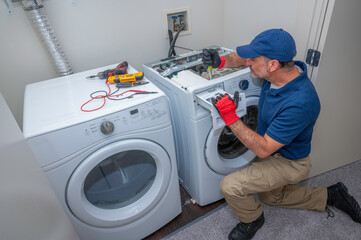
Keeping Homes Running Smoothly With Reliable Appliance Repair

Appliances are essential to modern life, making everyday tasks more convenient and efficient. From refrigerators and ovens to washing machines and dishwashers, these devices save time and effort, ensuring households run smoothly. However, even the most reliable appliances can experience wear and tear, malfunctions, or breakdowns. Professional appliance repair is crucial to restore functionality, extend appliance lifespan, and maintain household efficiency.

appliance repair

The Importance of Appliance Repair

Appliances are significant investments, and repairing them rather than replacing them can save time, money, and resources. The benefits of timely and professional appliance repair include:

  • Cost savings – Repairing a malfunctioning appliance is often more affordable than purchasing a brand-new unit.
  • Extended lifespan – Proper maintenance and repair prolong the life of appliances, delaying replacement.
  • Energy efficiency – Well-maintained appliances operate more efficiently, reducing utility bills.
  • Safety – Malfunctioning appliances, particularly those that use electricity or gas, can pose hazards if not addressed promptly.
  • Convenience – Functional appliances prevent disruptions to daily routines, maintaining comfort and productivity.

Investing in professional repair services ensures that appliances continue to operate effectively and safely.

Common Appliance Problems

Appliances can encounter a variety of issues over time, often caused by normal wear, improper use, or environmental factors. Recognizing common problems allows homeowners to address them before they worsen:

  • Refrigerators and freezers – Issues may include inconsistent temperatures, leaks, strange noises, or failure to cool properly.
  • Ovens and stoves – Malfunctions can involve heating inconsistencies, ignition failure, or control panel errors.
  • Washing machines and dryers – Problems such as leaks, drum imbalances, or failure to spin or dry effectively are common.
  • Dishwashers – Poor cleaning performance, drainage problems, or unusual noises may indicate clogs or mechanical issues.
  • Microwaves – Heating failure, sparks, or unresponsive controls are frequent concerns.
  • Small appliances – Toasters, coffee makers, and other small devices can experience electrical or mechanical faults.

Early detection and professional repair of these issues prevent further damage and costly replacements.

Signs You Need Appliance Repair

Knowing when to call a professional is crucial for avoiding unnecessary complications. Common indicators that an appliance requires repair include:

  • Unusual noises – Grinding, squealing, or banging can indicate mechanical problems.
  • Inconsistent performance – Appliances failing to heat, cool, wash, or dry effectively may need servicing.
  • Leaks or water damage – Visible leaks or moisture around appliances suggest plumbing or internal component issues.
  • Frequent breakdowns – Repeated malfunctions signal underlying problems that require professional attention.
  • Electrical issues – Tripping circuits, sparks, or unresponsive controls are warning signs that should not be ignored.

Responding to these signs promptly ensures safety, efficiency, and appliance longevity.

Maintenance Tips to Reduce Repairs

Preventive maintenance can significantly reduce the need for major appliance repairs. Homeowners can extend appliance life and improve performance by following simple tips:

  • Regular cleaning – Clean filters, vents, and surfaces to prevent buildup of dust, grease, or debris.
  • Proper usage – Follow manufacturer guidelines for operation, load limits, and care.
  • Inspection of components – Periodically check hoses, belts, seals, and electrical connections for wear or damage.
  • Prompt minor repairs – Address small issues like leaks or loose connections before they escalate.
  • Routine professional servicing – Schedule annual inspections to detect and prevent potential problems.

Consistent maintenance ensures appliances remain efficient, reliable, and safe.

Benefits of Professional Appliance Repair

While some minor tasks can be handled by homeowners, professional repair offers expertise and tools that guarantee quality results. Advantages of hiring skilled technicians include:

  • Accurate diagnostics – Professionals identify the root cause of issues, preventing misdiagnosis and unnecessary repairs.
  • Specialized tools – Technicians have access to equipment designed for safe and precise repairs.
  • Experience and knowledge – Professionals understand the intricacies of various appliances, ensuring reliable fixes.
  • Safety assurance – Technicians handle electrical, gas, and mechanical systems safely, reducing the risk of accidents.
  • Time efficiency – Experts complete repairs quickly and effectively, minimizing household disruption.

Professional repair not only restores functionality but also enhances the lifespan and efficiency of appliances.

When to Replace vs. Repair

While repair is often the preferred option, there are cases where replacement may be more practical:

  • Age of the appliance – Older appliances may require frequent repairs and consume more energy.
  • Cost of repair – When repair costs approach or exceed the value of the appliance, replacement may be more economical.
  • Efficiency concerns – Newer appliances often offer improved energy efficiency and features, justifying replacement.
  • Repeated breakdowns – Persistent issues may indicate that repair is no longer cost-effective.

Weighing repair versus replacement allows homeowners to make informed decisions that balance cost, efficiency, and convenience.

Emergency Appliance Repair

Appliances can fail unexpectedly, causing inconvenience or potential damage. Emergency repair services address urgent situations such as:

  • Refrigerators or freezers stopping unexpectedly, risking food spoilage
  • Leaking washing machines or dishwashers are causing water damage
  • Stoves or ovens malfunctioning before meal preparation
  • Electrical faults in major appliances create safety hazards

Having access to reliable emergency repair services minimizes disruption, prevents further damage, and restores household functionality quickly.

Appliance repair is a critical service that ensures homes continue to run efficiently and safely. Timely maintenance, early detection of issues, and professional repair protect investments, improve energy efficiency, and maintain convenience in daily life.

Understanding common appliance problems, recognizing signs of malfunction, and prioritizing professional servicing empowers homeowners to make informed decisions. Preventive maintenance, combined with expert repairs, prolongs appliance lifespan, enhances performance, and supports a comfortable, well-functioning home environment.

Investing in reliable appliance repair not only saves money and resources but also provides peace of mind, knowing that the household will continue operating smoothly regardless of the challenges that arise. Proper care and attention to appliances ensure that they remain dependable, efficient, and safe for years to come.

Visit our Professional Services Blogs

Chris Atkins Lawncare, Atticus Landscaping, Treasure Coast Pressure Wash, Gulf Beach Plumbing, Marlborough Plumbing, Guns And Hoses Pressure Washing, Ambrose Construction, Coral Gables Pressure Washing, Willco Photography, Roofing Akron, Danalogsdon Roofing El Cajon, EC Siding Roofing Windows, Aurora Gutter, American Insurance Source, ECO, etdn, Denison Service League,  Roofing Blog, Atlantic Vinyl Windows, Brookshires Fireplaces, JD Advanced Remodeling, Product Judgment, Master Dry Foundation Repair, Moe’s Hip, Elta Patio Paramount, Rock Around The Clock Festival, Learn, Play, Beyond, MoralesT Gardening, Car Window Tinting Perth, Duncan Carpentry, Gatestone Lighting, Mid Missouri Mold Inspections, Stucco Repair Albuquerque, Wausau Siding Hire, Munster Tree Care, Blue Granite Homes, Custom House, CENTRAL OS, Atlanta Pavers, Phillips Law Firm, Brent Ryder MasonryWalker Construction Drywall Division, RJ Law, Caledon Plumbing, DDS Tech USA, Maine Mortgage Services, Inckpen, Seasons at Rose Creek, Cottonwood Place Dental, Cosmetic Laser 2000 

Benefits of Cabinet Refinishing for Homeowners

Cabinet Refinishing Sacramento

Cabinet Refinishing Sacramento is a cost-effective way to dramatically enhance your home’s appearance and boost resale value. It is also environmentally friendly, diverting construction waste from landfills.

Refinishing is significantly less expensive than a full cabinet replacement and allows you to redirect savings into other value-boosting upgrades. Frederick Painting experts share the diverse benefits of this popular upgrade:

Aesthetics

If your cabinets have begun to show signs of wear and tear, a fresh coat of paint is often enough to refresh the look. A quality repaint will make your cabinets look new again and protect them from future damage.

Cabinet refinishing also preserves the original cabinet structure, allowing you to customize the color and finish to suit your style. Compared to a full replacement, it is an eco-friendly option that diverts hundreds of pounds of waste from landfills.

The refinishing process starts with thorough preparation. This includes removing the doors and drawer fronts, cleaning them to eliminate grease and grime, and sanding the surfaces to create an even, smooth surface. It also involves repairing any chips, cracks, or dents in the cabinet boxes and face frames, as well as preparing the cabinet interiors for new stain or paint.

Once the cabinet boxes and face frames are finished, they can be stained or painted to achieve your desired look. This is where you can choose a light or dark color to match the rest of your home décor, or try a bold shade that will make a statement in your kitchen. Once the stain or paint is applied, it can be sealed to protect against everyday use and enhance durability.

Refinishing can take anywhere from a few days to a week, depending on the scope of the project. This is significantly shorter than the turnaround time of a full replacement, which can take weeks or even months. Refinishing also requires less disruption to your daily routine, as you can still live in your home while the work is being done.

Increased Value

Cabinet refinishing is a cost-effective and time-saving alternative to complete kitchen or bathroom replacement, and it’s also a great way to transform older cabinets that are still structurally sound. Refinishing your cabinets is a minimally-invasive process that can typically be completed in a few days to a week, allowing you to enjoy your new kitchen or bathroom without the disruption of a full replacement.

Unlike refacing, which involves removing the cabinet doors and drawer fronts, refinishing simply focuses on the existing casework. Because it is less invasive and does not involve changing the layout of your cabinetry, you can often save 50%-70% or more on your renovation costs. This can be particularly beneficial for homeowners who have premium hardwood cabinets that are in good condition, which may otherwise be a waste of money to replace with low-grade particleboard or MDF alternatives.

Before beginning a cabinet refinishing project, it is important to properly clean the surfaces you will be working on. A good cleaning with a mild cleaner formulated for wood is critical to remove grease, oil, and other dirt buildup. Once your cabinets are clean, sanding them with medium-grit sandpaper will help to prepare the surface for the new finish. During sanding, be sure to work with the grain of the wood to ensure a smooth and even finish.

Refinishing your cabinetry with a high-quality durable finish is an excellent investment for your home and can boost its value at resale. Depending on the scope of your project, you can expect to recoup at least a portion of your renovation costs through increased saleability and buyer perception. Talk with local professionals like Frederick Painting for a tailored estimate and examples of their completed projects.

Eco-Friendly

One of the most important considerations for any home improvement project is how it affects the environment. Cabinet refinishing is far more eco-friendly than replacing cabinets as it keeps existing materials out of landfills and reduces energy usage, emissions, and waste. A typical refinishing workflow includes inspection, light repair, sanding or chemical stripping, deglossing, wood filler for damaged areas, paint and stain application, and low-VOC topcoats to protect your new investment.

The process is less invasive than the full replacement option and can typically be completed in several days, with minimal disruption to your household. Refinishing also requires fewer materials and produces significantly less waste than cabinet refacing, which often involves demolition of existing cabinets, the removal of custom panels and doors, and installation of new cabinets with a different layout.

In addition, refinishing can be done using sustainably harvested natural wood species that are FSC (Forest Stewardship Council) certified. This certification supports forest conservation by ensuring that harvested timber is responsibly managed, reducing pressure on traditional forests and promoting sustainable management practices. Refinishing can also be done with bamboo, which grows faster than traditional hardwoods and is a renewable resource. It is also resistant to moisture and contains a naturally occurring antimicrobial agent that helps prevent the growth of bacteria and odors.

The manufacturing of new cabinets requires a significant amount of energy for processing raw materials and shaping components. This reliance on fossil fuels results in considerable emissions and contributes to climate change, while the refinishing process uses far less energy and creates significantly less waste. Many refinishing services utilize reclaimed or recycled materials, which further reduces waste and lowers environmental impact.

Less Invasive

Cabinet refinishing is significantly less invasive than a full replacement. With refinishing, only the cabinet doors and drawer fronts are removed. Then, a new coat of stain or paint is applied over the existing material. New hardware can also be added, which improves both appearance and usability.

Unlike cabinet painting, cabinet refinishing uses a stain designed to stand up to kitchen chemicals and daily wear and tear, meaning it can last double or triple as long as the original finish. When compared to the average lifespan of painted cabinets, which is 3-5 years, this can save homeowners significant time and money in the long run.

A cabinet refacing project is more invasive than refinishing, but the work can be done in less time. This allows for minimal disruption to the homeowner’s regular routine and means they can enjoy their revamped space sooner.

Refacing requires the removal of cabinet doors and drawer fronts, as well as some hardware. This allows the installer to inspect and prepare the cabinet boxes for a new surface material. Once the new veneer or laminate is professionally applied, it’s then time to install new doors and drawer fronts along with hardware like handles or knobs for a completed look.

Cabinet refacing is a great option for homeowners who want a modern-looking kitchen, which can be an attractive selling point for potential buyers. While it doesn’t offer as much customization as refinishing, refacing does come with an extensive list of available finishes and door styles that can help create a unique design for your kitchen. The only downside to refacing is that it cannot be used on thermofoil or laminate materials, which do not adhere to the new surface material.

Time-Saving

Refinishing cabinets is a significantly quicker process than replacing them, often taking days rather than weeks. This can reduce the impact on your home life and help you get back to living normally sooner. It also eliminates the lengthy construction and renovation that can accompany a full replacement, saving you from having your kitchen out of commission for an extended period.

Once your cabinets are sanded down, they will need to be primed before you can apply the new finish. Choosing a high-quality primer with stain-blocking properties will provide a strong base for your paint to promote better adhesion and a smoother final appearance. Choose one that is easy to work with and has low odor, so you can continue using your kitchen as normal while the primer dries.

After your primer dries, it is time to apply your chosen color. It is best to apply several thin coats, allowing the paint to dry between each application, to avoid chipping or peeling. Depending on the quality of your chosen product, you may need to wait a few hours in between each application.

When you are ready to reinstall your doors, be sure to use a labeling system so they go back in the correct order. If you are reusing the same hardware, be sure to soak each piece in warm soapy water to remove grease before sanding. Once all the pieces are cleaned, reattach them using the proper screws to ensure they are secure and straight.

Refinishing your existing cabinetry is a green choice that reduces waste and conserves resources. It can save you 70-90% over full cabinet refacing, while still giving your kitchen a dramatic visual upgrade. By reusing your existing carcasses and doors, you also prevent hundreds of pounds of waste from ending up in landfills.

Commercial Electrical Services: Ensuring Reliable Power for Business Operations

In today’s fast-paced business environment, uninterrupted access to electricity is essential for operational success. Businesses of all sizes—from retail stores and office complexes to industrial plants and healthcare facilities—depend on reliable power to run essential systems, protect sensitive equipment, and maintain productivity. Even a brief electrical outage can result in lost revenue, disrupted operations, and potential safety hazards. Commercial Electrical Service plays a crucial role in ensuring that businesses have dependable, efficient, and code-compliant power systems that meet both current and future operational demands.

electrical services

The foundation of reliable commercial electricity begins with professional electrical services that cover a wide range of needs. These services include installation, maintenance, repair, and emergency support for electrical infrastructure. A well-designed electrical system ensures that power is distributed safely and efficiently, protecting both employees and equipment. It also provides the flexibility to expand or adapt as business needs evolve, such as incorporating new technology, increasing lighting capacity, or supporting high-demand machinery. Engaging professional electrical services allows business owners to focus on core operations while minimizing the risk of costly disruptions.

One of the primary services offered by commercial electricians is electrical system installation. This includes setting up main distribution panels, branch circuits, wiring, outlets, and dedicated circuits for specialized equipment. Proper installation is critical for ensuring that power is delivered safely and efficiently throughout the facility. Incorrectly installed wiring or undersized circuits can cause frequent breaker trips, voltage fluctuations, or equipment damage. Professional contractors perform load calculations to determine the total electrical demand and design a system that can handle both current and projected needs. This planning process ensures optimal performance and prevents costly system failures in the future.

Maintenance is another essential aspect of commercial electrical services. Regular preventive maintenance helps identify potential issues before they escalate into major problems, reducing the risk of downtime and expensive repairs. Maintenance tasks may include inspecting wiring and connections, testing circuit breakers, checking voltage levels, and verifying the integrity of grounding systems. In facilities with high electrical loads, routine maintenance can prevent overheating, minimize energy loss, and extend the lifespan of electrical equipment. By implementing a scheduled maintenance program, businesses can maintain consistent power reliability and reduce operational interruptions.

Emergency repair services are critical for commercial facilities that cannot afford prolonged power outages. Electrical contractors provide 24/7 support to address sudden issues such as blown breakers, damaged wiring, or equipment failures. Rapid response ensures that critical systems are restored quickly, minimizing operational disruptions and protecting sensitive equipment. In industries where uptime is crucial—such as healthcare, data centers, and manufacturing—emergency electrical services are not just convenient; they are essential for maintaining operational continuity.

Energy efficiency has become a significant consideration in commercial electrical services. Businesses can reduce operating costs and environmental impact by implementing energy-efficient lighting, high-performance HVAC systems, and automated controls. Electrical contractors can design and install systems that optimize power usage, including LED lighting, motion sensors, programmable thermostats, and energy monitoring systems. Efficient systems not only reduce electricity bills but also support sustainability goals, which are increasingly important for regulatory compliance and corporate responsibility initiatives.

Upgrading electrical panels and distribution systems is another critical service that ensures businesses can meet modern power demands. Many commercial buildings were constructed decades ago, and their electrical infrastructure may not be equipped to handle the high demands of contemporary operations. Upgrades involve installing modern panels, circuit breakers, and transformers that can safely distribute electricity to all areas of the facility. Upgraded systems prevent overloads, reduce the risk of fire hazards, and allow businesses to incorporate advanced technology such as electric vehicle charging stations, high-capacity machinery, or smart building systems.

Commercial electrical services also include specialized solutions such as backup power systems. Generators, uninterruptible power supplies (UPS), and battery storage systems provide uninterrupted power during utility outages, ensuring that critical operations continue without disruption. Electrical contractors design and install these systems, calculate essential loads, integrate automatic transfer switches, and perform regular testing. Backup power is particularly important in industries where downtime can have severe financial or safety consequences, such as hospitals, data centers, and manufacturing plants.

Safety is a top priority in all commercial electrical services. Electrical contractors ensure that all systems comply with national and local electrical codes, including proper grounding, bonding, and circuit protection. Safety extends beyond installation to include ongoing inspections and preventive measures. For instance, contractors may recommend surge protection devices to safeguard sensitive electronics from voltage spikes, fire-rated cabling for high-risk areas, and emergency lighting systems to support safe evacuation during outages. These measures protect both employees and assets, mitigating liability and reducing operational risk.

Technology integration is increasingly important in commercial facilities. Modern businesses often rely on interconnected systems such as security networks, data servers, lighting controls, and building automation systems. Electrical contractors integrate these systems into the electrical infrastructure, ensuring reliable power distribution and compatibility with existing circuits. Proper integration allows for centralized control, remote monitoring, and optimized energy usage, supporting both operational efficiency and strategic business goals.

When planning commercial electrical systems, several key considerations should guide service providers and business owners:

  1. Load Assessment: Evaluate the total electrical demand of the facility, including continuous and peak loads, to ensure panels, breakers, and circuits are adequately sized.
  2. Scalability and Future Needs: Design systems that can accommodate additional equipment, technological upgrades, and changes in operational requirements without extensive retrofitting.
  3. Safety and Compliance: Ensure proper grounding, surge protection, and adherence to electrical codes to protect personnel, equipment, and property.
  4. Energy Efficiency: Incorporate modern solutions such as LED lighting, automated controls, and energy monitoring to reduce operational costs and environmental impact.
  5. Maintenance Planning: Establish a routine maintenance schedule to prevent failures, extend equipment lifespan, and maintain consistent power reliability.

Electrical contractors also provide consulting services to assist businesses with strategic planning for power distribution. They advise on load management, energy efficiency initiatives, code compliance, and system upgrades. Their expertise helps business owners make informed decisions regarding investments in electrical infrastructure, ensuring that systems are safe, efficient, and capable of supporting operational growth.

Large commercial facilities often face unique challenges, such as high-density wiring, multi-floor distribution, and coordination with other construction or renovation projects. Electrical contractors navigate these complexities by implementing organized conduit layouts, labeling circuits for easy identification, and coordinating with other trades to prevent conflicts. Efficient planning and execution reduce the likelihood of delays, minimize installation errors, and improve overall system reliability.

Testing and commissioning are essential steps to ensure that commercial electrical systems operate as intended. Contractors perform load testing, insulation resistance measurements, and grounding verification to confirm performance and safety. These procedures identify potential weaknesses before the system is fully operational, ensuring that power distribution meets design specifications and operational requirements. Proper commissioning enhances system reliability, reduces downtime, and provides documentation for regulatory compliance.

Modern commercial electrical services increasingly emphasize automation and smart systems. Integration of building management systems (BMS), automated lighting, energy monitoring, and remote access controls requires precise electrical planning and installation. These systems optimize energy usage, improve operational efficiency, and enhance occupant comfort. Electrical contractors ensure that power distribution supports these technologies reliably, with dedicated circuits, surge protection, and load balancing to prevent disruptions or system failures.

In addition to installation and maintenance, commercial electrical services often include upgrades to support high-capacity equipment and technological growth. As businesses expand, they may introduce new machinery, advanced HVAC systems, electric vehicle chargers, or data-intensive operations. Electrical contractors assess current infrastructure, recommend panel or circuit upgrades, and install additional circuits to accommodate increased demand. Proactive upgrades prevent overloading, reduce the risk of equipment damage, and support business continuity.

Backup power solutions, combined with ongoing maintenance, further enhance reliability. Generators and UPS systems provide uninterrupted electricity for essential operations, while contractors perform regular testing and inspections to ensure readiness. Properly maintained backup systems protect sensitive equipment, prevent operational interruptions, and maintain safety during outages. In critical industries such as healthcare, finance, and manufacturing, backup power is not optional—it is a necessity for operational resilience.

Emergency services are another essential component of commercial electrical offerings. Electrical contractors provide rapid response to outages, faults, or equipment failures, minimizing downtime and potential revenue loss. These services are particularly valuable for businesses that cannot afford extended interruptions, including data centers, retail operations, or facilities with safety-critical systems. Rapid troubleshooting and repair ensure that operations resume quickly and safely.

Cost considerations are also an important aspect of commercial electrical services. While professional installation, maintenance, and backup solutions require investment, the long-term benefits are significant. Reliable electrical systems reduce operational interruptions, prevent equipment damage, improve energy efficiency, and enhance safety. Additionally, strategic planning and load management help businesses optimize energy use, minimizing utility costs over time. In this context, investing in professional electrical services is both a practical and strategic business decision.

Documentation and record-keeping are critical for effective management of commercial electrical systems. Electrical contractors provide as-built drawings, schematics, maintenance logs, and testing reports to support facility management. Proper documentation facilitates troubleshooting, supports compliance inspections, and simplifies future upgrades or modifications. Clear records also enhance safety by allowing maintenance personnel to quickly identify circuits, loads, and protective devices.

In conclusion, commercial electrical services are essential for ensuring reliable, safe, and efficient power in business operations. From installation and maintenance to emergency response and system upgrades, electrical contractors provide expertise that supports operational continuity, energy efficiency, and regulatory compliance. Their services are critical for businesses that rely on consistent electricity to power equipment, maintain safety systems, and meet operational demands.

By engaging professional electrical contractors, business owners can ensure that their facilities are equipped with modern, scalable, and code-compliant electrical systems. Proper planning, installation, maintenance, and backup solutions create a foundation for uninterrupted operations, reduced risk of downtime, and long-term energy savings. Reliable commercial electrical services are not just a technical necessity—they are a strategic investment in the safety, efficiency, and success of any business operation.

Facilities that prioritize professional electrical services gain peace of mind, operational resilience, and the flexibility to adapt to future technological demands. Whether for small offices, retail centers, or large industrial complexes, a well-designed and maintained electrical system ensures that power remains a dependable resource rather than a potential liability, supporting business growth and long-term operational excellence.

Mice Removal: Strategies to Protect Your Home, Health, and Peace of Mind

Few issues disrupt a home or property more than a rodent infestation, and among rodents, mice are some of the most common and persistent intruders. Despite their small size, mice can cause significant problems ranging from property damage to health risks. They reproduce rapidly, can squeeze through the tiniest of gaps, and often remain hidden until the population has grown large enough to notice. Effective Mice Removal Texas is not just about catching the ones you see—it requires understanding their behavior, addressing the root causes of infestations, and implementing long-term preventive strategies.

mice removal

Many property owners underestimate how quickly a mouse problem can escalate. A single pair of mice can produce dozens of offspring in a short period, resulting in a full-scale infestation within weeks if left unchecked. Beyond the rapid reproduction, mice carry pathogens that can contaminate food, surfaces, and air, creating potential health hazards. This is why prompt action and professional strategies are essential to ensure both safety and comfort.

Early Signs of a Mouse Infestation

Mice are adept at hiding, making early detection critical. Recognizing the signs of infestation can save property owners from costly repairs and health risks later on. Common indicators include:

  1. Droppings and urine stains: These are often found in kitchens, pantries, and storage areas. The droppings are small, dark, and pellet-shaped.
  2. Gnaw marks: Mice need to gnaw continuously to prevent their teeth from overgrowing, so chewed wires, wood, and packaging materials are a red flag.
  3. Scratching or scurrying noises: Sounds coming from walls, ceilings, or attics, especially at night, often indicate mice activity.
  4. Nests made from shredded materials: Paper, fabric, or insulation can be shredded into nesting materials, signaling that mice have established a home.

Identifying these signs early allows for prompt intervention and reduces the risk of widespread damage. Property owners should not rely solely on occasional sightings, as mice are mostly nocturnal and often avoid being seen during the day.

Understanding Mouse Behavior

Understanding mouse behavior is essential to designing an effective removal strategy. Mice are opportunistic feeders, often attracted to food crumbs, pet food, and improperly stored groceries. They are excellent climbers and can enter properties through extremely small gaps, including cracks in foundations, gaps around pipes, and even under doors. Their agility and adaptability make simple fixes like traps or repellents only partially effective if the underlying causes of infestation are not addressed.

Mice are also creatures of habit. Once they find a reliable food source or nesting area, they tend to follow the same pathways, which creates predictable patterns. Professional mice removal strategies often focus on these patterns, allowing targeted interventions that increase the likelihood of complete eradication.

Effective Mice Removal Techniques

A successful mice removal plan integrates multiple strategies rather than relying on a single solution. While traps and baits may provide temporary relief, a comprehensive approach ensures the problem does not return. Key strategies include:

  1. Thorough Inspection: Professionals identify entry points, nesting areas, and food sources to determine the scope of the problem. This may involve checking attics, basements, wall voids, and exterior areas.
  2. Targeted Trapping and Baiting: Using strategically placed traps or bait stations ensures that active mice are captured efficiently. Placement is critical—traps should be near walls, behind appliances, and along known travel routes.
  3. Exclusion and Sealing: Sealing gaps, repairing damaged vents, and reinforcing doors and windows prevents new mice from entering. Exclusion is one of the most effective long-term strategies because it addresses the source rather than just the symptom.
  4. Sanitation and Food Management: Reducing available food and water sources makes the property less attractive to mice. This includes storing food in sealed containers, cleaning up crumbs, and managing pet food properly.

Combining these approaches ensures that both active mice and potential newcomers are addressed, creating a more permanent solution.

Preventive Measures for Long-Term Protection

Once an infestation is removed, long-term prevention is key. Property owners should adopt routine habits and maintenance strategies that reduce the likelihood of a future infestation. These measures include:

  1. Regular Property Inspections: Checking foundations, attics, basements, and other vulnerable areas for new gaps or damage can catch potential entry points early.
  2. Proper Waste Management: Keeping trash in sealed containers and removing it regularly reduces attractants that encourage mice to return.
  3. Landscaping and Exterior Maintenance: Keeping shrubs and debris away from the property reduces outdoor nesting options. Maintaining a clear perimeter around the building limits opportunities for mice to approach.
  4. Moisture Control: Fixing leaks, draining standing water, and improving ventilation helps prevent environments where mice are likely to thrive.

These preventive strategies are essential because even a single mouse that gains entry can restart an infestation. Proactive measures combined with professional intervention provide the most reliable defense.

Health Risks Associated with Mice

The dangers posed by mice extend beyond property damage. Mice can carry a variety of pathogens and bacteria that may be transmitted to humans through droppings, urine, or saliva. These include bacteria that cause foodborne illnesses and, in some cases, more serious diseases. In addition, mice may trigger allergic reactions or exacerbate respiratory issues in sensitive individuals due to dander and waste. Addressing a mouse problem promptly protects both physical health and overall well-being, making professional removal an important consideration for every property owner.

Benefits of Professional Mice Removal

While do-it-yourself solutions may offer short-term relief, professional mice removal provides several advantages:

  1. Expert Knowledge: Professionals understand mouse behavior, species identification, and movement patterns, allowing for more effective removal.
  2. Comprehensive Solutions: Trapping, baiting, exclusion, and sanitation are integrated into a unified plan rather than applied haphazardly.
  3. Long-Term Prevention: Professionals not only eliminate the current infestation but also implement strategies to reduce the risk of recurrence.
  4. Safer Methods: Proper handling of baits and traps minimizes risks to children, pets, and the environment, ensuring safe and effective treatment.

Professional intervention ensures that the problem is addressed thoroughly, reducing the likelihood of recurring infestations and the stress associated with ongoing pest activity.

Early Detection and Monitoring

Even after a property has been cleared of mice, ongoing vigilance is necessary. Mice are persistent and can exploit new vulnerabilities as buildings age or conditions change. Monitoring traps, inspecting hidden spaces, and remaining alert to early signs of activity help ensure that any future incursions are caught before they escalate. Early detection reduces the scope and cost of intervention, making it easier to maintain a pest-free environment.

Integrating Mice Removal Into Overall Property Management

Mice removal should not be treated as an isolated task. Instead, it should be part of a broader property management strategy that emphasizes maintenance, cleanliness, and prevention. Regular inspections, repair of structural vulnerabilities, proper food management, and waste control all contribute to a safer, healthier environment. By connecting mice removal with general upkeep practices, property owners can create a sustainable system that keeps rodents and other pests at bay.

In addition to protecting property and health, comprehensive mice removal enhances peace of mind. Knowing that preventive measures are in place and that the property is monitored and maintained reduces stress and ensures comfort for occupants. This long-term security is one of the most significant benefits of integrating professional mice removal into property management.

Conclusion

Mice removal is more than just catching a few visible rodents; it requires understanding behavior, addressing underlying conditions, and implementing preventive measures to protect the property and its occupants. Early detection, proper sanitation, structural maintenance, and targeted removal strategies all contribute to effective control. By combining these practices with professional expertise, property owners can achieve lasting results that protect both health and property value.

Investing in comprehensive mice removal is a proactive approach that minimizes damage, prevents health risks, and ensures peace of mind. The connection between timely action, maintenance, and preventive practices is key to keeping properties safe and pest-free. Ultimately, a well-maintained, clean, and strategically monitored environment creates the most effective defense against mice and ensures that minor problems do not escalate into major infestations.