Construction projects, whether residential or commercial, involve far more than bricks, concrete, and blueprints. Behind every successful build is a carefully coordinated effort that balances timelines, budgets, materials, labor, and compliance requirements. At the center of that coordination is the general contractor. The role of General Contractors in Nashville TN in streamlining residential and commercial builds cannot be overstated, as they serve as the driving force that transforms plans into completed structures.
From the earliest planning stages to final inspections, general contractors manage the moving parts that keep projects on track. Without strong leadership and organization, construction can quickly become chaotic, leading to delays, cost overruns, and miscommunication. Understanding how general contractors operate provides insight into why their involvement is critical for efficient, high-quality project delivery.
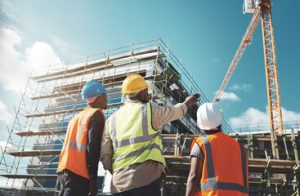
Acting as the Project’s Central Coordinator
One of the most important responsibilities of a general contractor is coordination. Construction projects involve architects, engineers, subcontractors, suppliers, inspectors, and clients. Each party plays a specialized role, but without a central point of leadership, misalignment can occur.
General contractors serve as the primary liaison between all stakeholders. They ensure that everyone understands the scope of work, timelines, and expectations. This centralized communication reduces confusion and prevents costly mistakes that arise when information is misinterpreted or delayed.
For example, scheduling conflicts between trades can create unnecessary downtime. If electrical work is not properly coordinated with framing or plumbing installation, crews may have to redo tasks, wasting time and materials. By carefully managing sequencing and communication, general contractors streamline workflows and maintain momentum.
Overseeing Planning and Pre-Construction Phases
Streamlining begins long before ground is broken. In both residential and commercial construction, the pre-construction phase sets the tone for the entire project. General contractors play a critical role during this stage by reviewing designs, assessing feasibility, and identifying potential risks.
During pre-construction, general contractors typically:
- Evaluate project scope and budget constraints.
- Develop realistic timelines and milestones.
- Coordinate with design professionals to identify constructability issues.
- Plan procurement strategies for materials and labor.
By addressing challenges early, they reduce the likelihood of unexpected delays once construction begins. Thoughtful planning helps ensure that materials are available when needed and that subcontractors are scheduled efficiently.
Managing Budgets and Controlling Costs
Cost control is one of the most significant concerns in construction. Both homeowners and business owners want predictable expenses without sacrificing quality. General contractors help streamline projects by maintaining strict budget oversight.
They obtain competitive bids from subcontractors, negotiate pricing, and track expenditures throughout the build. By monitoring material costs and labor hours, they identify potential overruns before they escalate. This proactive approach allows adjustments to be made in real time, preserving financial stability.
Budget management also involves strategic decision-making. When unexpected conditions arise, general contractors evaluate alternative solutions that maintain structural integrity while minimizing additional costs. Their experience helps balance quality with financial responsibility.
Coordinating Skilled Subcontractors
No construction project succeeds without skilled tradespeople. Electricians, plumbers, carpenters, masons, and HVAC technicians all contribute specialized expertise. General contractors are responsible for selecting, hiring, and coordinating these subcontractors.
Effective subcontractor management includes:
- Scheduling trades in logical sequence.
- Ensuring compliance with safety and quality standards.
- Monitoring performance and resolving conflicts.
By organizing subcontractors efficiently, general contractors reduce downtime and prevent overlapping tasks that can create hazards or rework. This coordination is especially important in commercial builds, where multiple trades often work simultaneously in complex environments.
Maintaining Quality Control
Quality is a defining factor in any residential or commercial build. Poor workmanship not only affects aesthetics but also compromises safety and long-term durability. General contractors streamline projects by implementing consistent quality control measures.
They conduct site inspections, verify that materials meet specifications, and ensure that work aligns with approved plans. Regular oversight prevents small issues from becoming significant defects.
Quality control is not limited to structural components. It also encompasses finishes, fixtures, and overall craftsmanship. By maintaining high standards at every stage, general contractors protect the integrity of the final product and reduce the need for costly corrections.
Ensuring Compliance and Safety
Construction projects must adhere to building codes, zoning regulations, and safety standards. Navigating these requirements can be complex, particularly for commercial developments that involve strict regulatory oversight.
General contractors streamline the compliance process by:
- Securing necessary permits before construction begins.
- Coordinating inspections at required milestones.
- Ensuring adherence to safety protocols on-site.
Safety management is especially critical. Construction sites present inherent risks, and accidents can halt progress, increase costs, and create liability concerns. By enforcing safety procedures and maintaining organized worksites, general contractors minimize disruptions and protect workers.
Streamlining Communication and Decision-Making
Clear communication is essential for project efficiency. Delays often occur when decisions are postponed or when stakeholders receive conflicting information. General contractors act as the communication hub, relaying updates and facilitating timely decisions.
In residential builds, homeowners may request design adjustments during construction. In commercial projects, business owners may modify space requirements. General contractors assess the impact of these changes and coordinate revisions without derailing progress.
By centralizing communication, they eliminate confusion and maintain transparency. Clients receive consistent updates, and subcontractors have clear direction, which streamlines operations across the board.
Adapting to Challenges and Unexpected Issues
No construction project unfolds without challenges. Weather delays, supply chain disruptions, and unforeseen site conditions can all impact timelines. The ability to adapt quickly is a hallmark of experienced general contractors.
When unexpected issues arise, they evaluate options and implement solutions that minimize disruption. This might involve adjusting schedules, sourcing alternative materials, or reallocating labor resources.
Their problem-solving skills ensure that challenges do not escalate into major setbacks. Flexibility and foresight allow projects to continue progressing even under difficult circumstances.
Managing Timelines and Project Milestones
Time is a critical factor in both residential and commercial construction. Delays can increase labor costs, disrupt occupancy plans, and create financial strain. General contractors streamline builds by establishing clear timelines and tracking progress meticulously.
They break projects into phases, set milestones, and monitor completion rates. If progress falls behind schedule, they take corrective action to regain momentum.
Effective time management includes coordinating deliveries, avoiding bottlenecks, and ensuring that inspections occur promptly. By maintaining control over scheduling, general contractors keep projects moving steadily toward completion.
Facilitating Collaboration Between Design and Construction
Successful builds require seamless collaboration between designers and builders. Misalignment between architectural plans and construction realities can lead to inefficiencies.
General contractors bridge this gap by reviewing designs for practicality and recommending adjustments when necessary. Their hands-on experience provides valuable insight into how materials behave, how systems integrate, and how construction sequencing affects outcomes.
This collaborative approach enhances both efficiency and quality. By aligning design intent with construction execution, general contractors help avoid costly redesigns or mid-project modifications.
Enhancing Client Confidence and Peace of Mind
For property owners, construction can be an overwhelming experience. Coordinating multiple trades, managing permits, and monitoring progress is time-consuming and complex. General contractors simplify this process by assuming responsibility for day-to-day operations.
Clients benefit from having a single point of contact who oversees every detail. This streamlined communication builds trust and confidence throughout the project.
Knowing that an experienced professional is managing logistics, budgets, and quality allows clients to focus on their goals rather than navigating construction challenges.
The Value of Experience in Both Residential and Commercial Projects
While residential and commercial builds differ in scale and complexity, the role of general contractors remains essential in both contexts. Residential projects often require personalized attention and adaptability to homeowner preferences. Commercial builds demand rigorous scheduling, regulatory compliance, and coordination among larger teams.
In each case, general contractors streamline operations by:
- Aligning project objectives with practical execution strategies.
- Balancing cost efficiency with structural integrity.
- Maintaining organized workflows from start to finish.
Their expertise ensures that projects are completed safely, efficiently, and to the highest standards.
Long-Term Benefits of Streamlined Construction
Efficient project management has lasting effects beyond completion. When construction is streamlined, structures are more likely to perform reliably over time. Quality workmanship reduces maintenance needs, while proper planning minimizes hidden defects.
Streamlined builds also strengthen financial outcomes. Staying on schedule prevents extended labor costs, and careful budget oversight protects against unnecessary spending.
Ultimately, the role of general contractors extends beyond supervision. They serve as strategists, coordinators, problem-solvers, and quality guardians. Their involvement shapes the success of both residential and commercial builds from concept to completion.
The role of general contractors in streamlining residential and commercial builds is foundational to construction success. Through careful planning, budget management, subcontractor coordination, quality control, and compliance oversight, they bring structure and efficiency to complex projects.
By centralizing communication and adapting to challenges, general contractors transform intricate construction processes into organized, manageable workflows. Whether building a home or developing a commercial space, their leadership ensures that timelines are met, costs are controlled, and standards are upheld.
In a field where precision and coordination are paramount, general contractors are the guiding force that turns vision into reality—efficiently, safely, and successfully.